

Breaker secures AU$1.2M Australian Government grant to advance voice-controlled robot AI agents
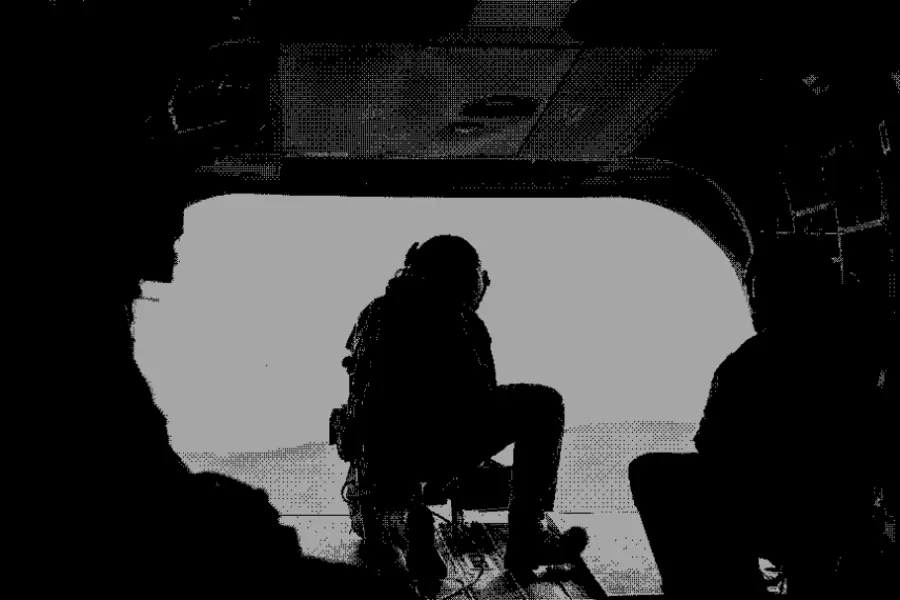
Breaker has been awarded a AU$1.2 million grant under the Australian Government's Industry Growth Program, through its Commercialisation and Growth stream. Breaker and its investors are matching the grant dollar for dollar, bringing total project funding to AU$2.4 million1. The project will develop and commercialize Avalon as sovereign Australian capability for allied defense markets.
The mission can't wait, so neither will we. This grant means faster development, protected Australian IP, and sovereign capability in the hands of Australian and allied forces sooner.
Matthew Buffa, Co-CEO, Breaker
What Avalon does
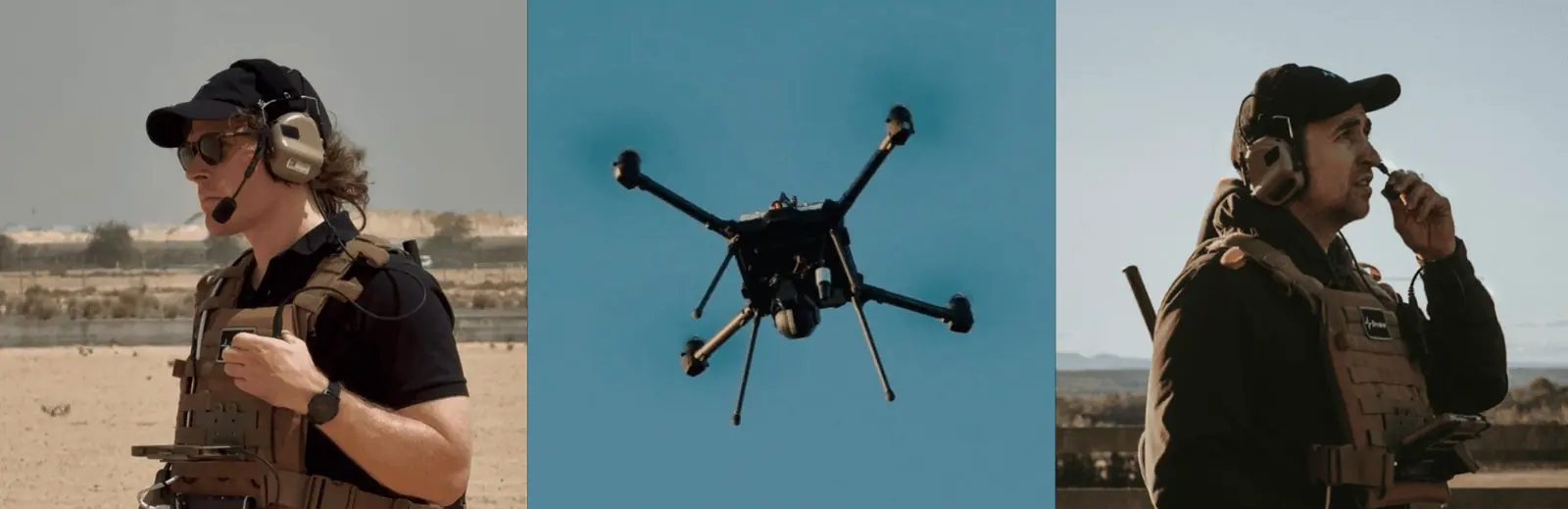
Robots today demand constant human oversight, bulky equipment and complex networks. That makes them hard to scale in real operations. Avalon lets an operator command a team of robots in natural language, the way they would brief a human teammate.
Avalon installs on a robot's existing onboard computer and works alongside its current autonomy, sensors and software. The agents organize themselves, make decisions and execute without a laptop, tablet, controller or cloud connection. When communications are jammed or denied, the system keeps operating at the edge1.
Why it matters for Australia
Australia is in the middle of its largest defense build-up in decades. The 2026 National Defence Strategy commits A$425 billion to the Australian Defence Force over the next ten years2. It also prioritizes autonomous and uncrewed systems across land, air and sea, with a focus on sovereign industry and Australian innovation2.
The shift reflects what recent wars have shown. Conflicts from Ukraine to the Middle East have made autonomous systems central to modern warfare. Militaries now need more than extra platforms. They need software that coordinates those platforms at scale.
Built across AUKUS
AUKUS, the security partnership between Australia, the United States and the United Kingdom, puts autonomy at the center of its second pillar. In May 2026, the three defense ministers reaffirmed the importance of accelerating Pillar II's advanced capabilities3. Australia's part in that depends on developing sovereign capability that it can export to its partners.
Breaker already works across the partnership. It was founded in Sydney and is co-headquartered in Austin, Texas. This project supports an expansion into the United Kingdom as a gateway to European allied markets. It will also help protect Australian IP in those markets.
Proven with US forces
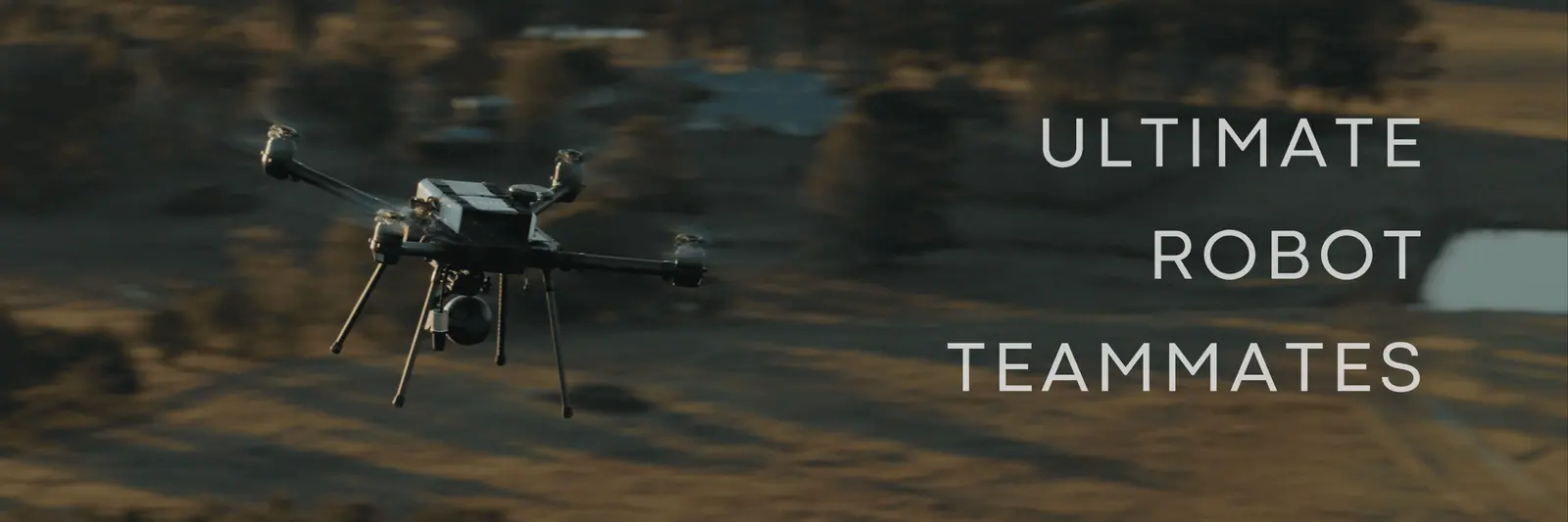
Breaker has demonstrated Avalon with US Special Operations Command. In June 2026, it was one of 25 companies selected from 133 submissions for Crucible 2, the Pentagon's Swarm Forge demonstration at Camp Blanding, Florida4. The event is run by the Chief Digital and Artificial Intelligence Office with US Special Operations Command, US Army Special Operations Command, the Defense Innovation Unit and the US Naval Drone Association4.
We are incredibly proud to be working alongside the Australian Government on one of the most important capability challenges facing the ADF. The Industry Growth Program has been an outstanding partner in this journey, and we look forward to continuing that collaboration as we bring this technology to Australian and allied forces.
Michael Irwin, Co-CEO, Breaker
- 1 Defence Connect, Breaker secures funding for development of Avalon AI robotic orchestration platform. ↩
- 2 Australian Government, 2026 National Defence Strategy and Integrated Investment Program, 16 April 2026. ↩
- 3 Australian Government, Joint Statement, AUKUS Defence Ministers' Meeting, 30 May 2026. ↩
- 4 ExecutiveGov, CDAO selects 25 companies for Crucible 2 Swarm Forge initiative, 3 June 2026. ↩