

Breaker raises US$6M seed round led by Bessemer Venture Partners

Breaker has raised a US$6 million seed round led by Bessemer Venture Partners. Main Sequence, which backed Breaker's pre-seed round a year earlier, returns as an investor1. The funding will scale Avalon, Breaker's software for commanding teams of robots by voice, across its teams in Austin and Sydney.
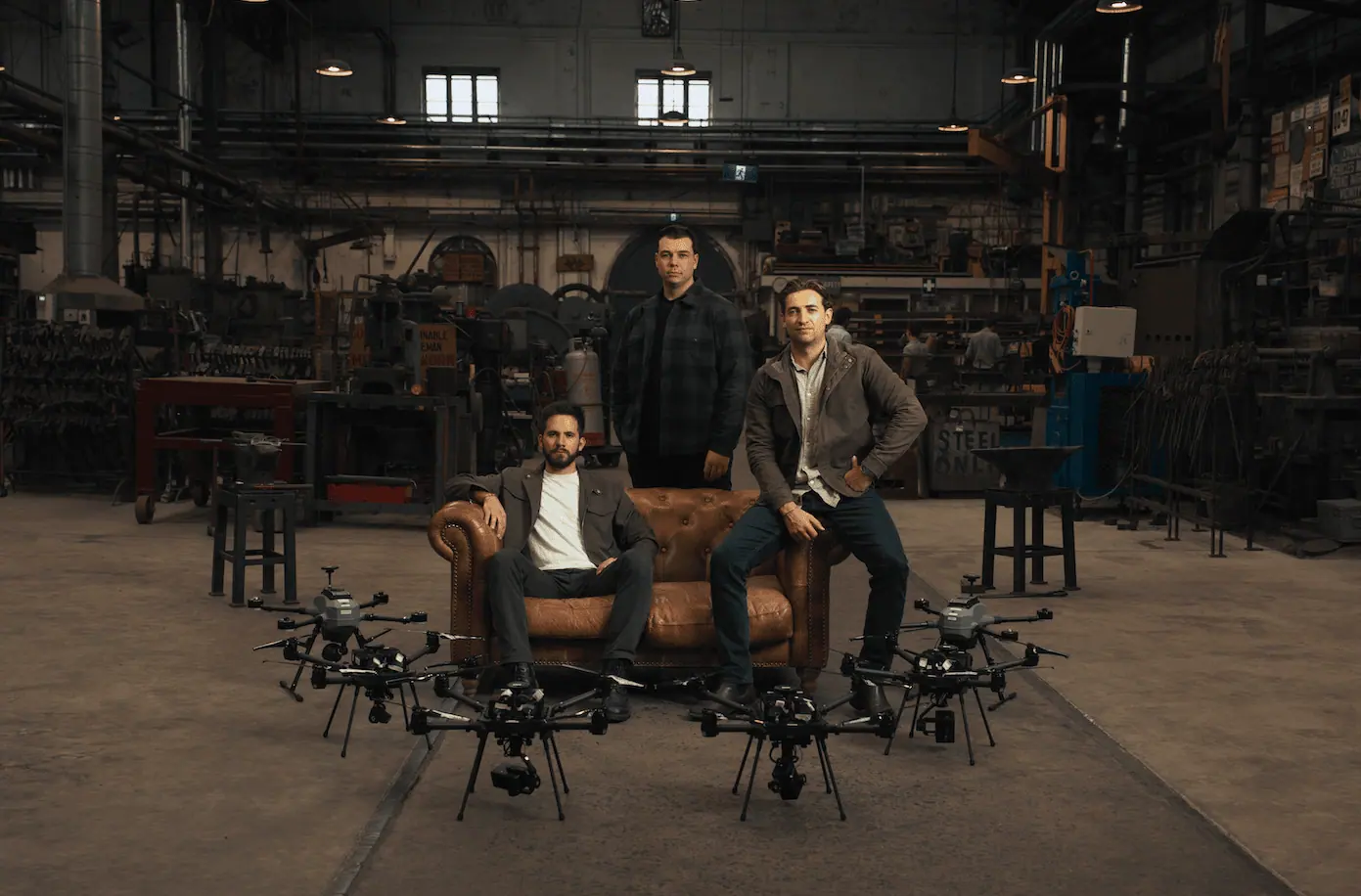
Today, autonomy still means one operator controlling one robot, with remote controls or laptops, which fundamentally limits the number of autonomous systems that can be deployed. In this drone warfare era, the next frontier is orchestration: how to manage and coordinate robotic teams at speed, at scale and under pressure.
Matthew Buffa, Co-founder and Co-CEO, Breaker
The operator bottleneck
Billions have gone into autonomous technology, yet most systems still work one to one. A single operator controls a single robot, hunched over a laptop or a game controller. That limit, which Breaker calls the operator bottleneck, caps how many robots a force can actually use.
The Pentagon has named the same problem. In January 2026, the Defense Innovation Unit put up to $100 million in prizes behind an orchestrator that can command whole fleets of robots from plain-language intent2. Breaker has been building that capability since it was founded.
How Avalon works
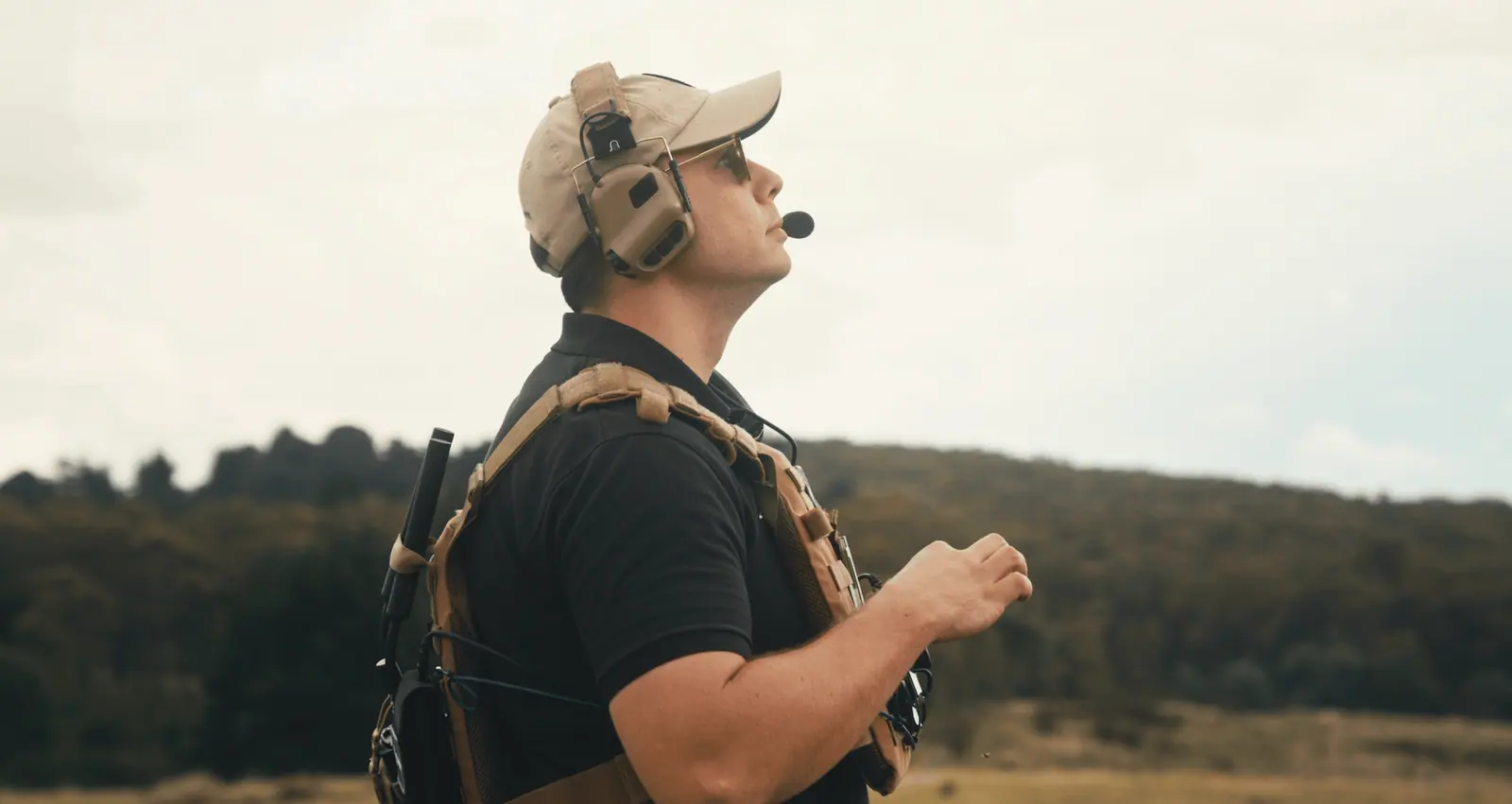
Avalon changes the ratio of operators to robots. One operator can command a team of autonomous systems across air, land and sea by speaking over the radio they already carry. Avalon's agents turn that intent into coordinated action, so the operator can keep driving, flying or fighting while the robots work in parallel.
Everything runs onboard each robot, with no cloud and no external network. When communications are jammed or denied, the agents keep operating and keep making decisions aligned to the mission.
Avalon has been tested through demonstration contracts with US Special Operations Command and Singapore's Defence Science and Technology Agency.
The round
Bessemer is known for early bets on Shopify, Canva and Rocket Lab. It leads this round on the view that uncrewed systems are about to proliferate at scale.
As outlined in Bessemer's 2026 Defense Tech Roadmap, we are seeing a period of rapid transformation as uncrewed systems proliferate at scale. Breaker's on-robot agents will redefine how militaries deploy and manage autonomous systems.
David Cowan, Partner, Bessemer Venture Partners
The round is three times the size of the median Australian seed raise and sits in the top quarter of US seed rounds1. Breaker also holds AUKUS Authorised User status, which allows it to export to the United States and the United Kingdom without a license1.
What comes next
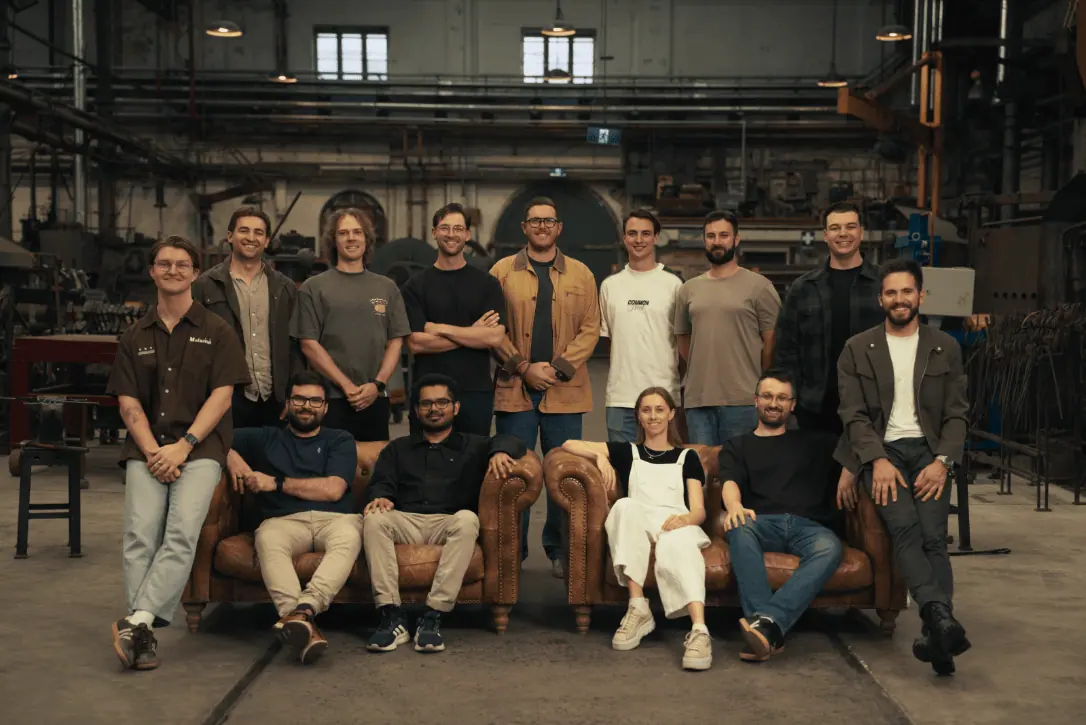
The funding scales Breaker's teams in Austin and Sydney. It also takes Avalon to more partners and more platforms, with a single aim: letting a small team command a large robotic force.
- 1 Forbes Australia, Autonomous defence startup Breaker orchestrates a $9m seed raise, 17 February 2026. ↩
- 2 Breaking Defense, DIU offers $100M in prizes for voice-controlled, AI-enabled drone swarm orchestrator, 15 January 2026. ↩